


-

Add: HeBei ShengShi HongBang Cellulose Technology CO.,LTD.
-

Email
13180486930@163.com -

CONTACT US
+86 13180486930



Hydroxy starch has emerged as a promising ingredient in various industries due to its versatile properties and potential benefits . Its modified characteristics make it a valuable component, thereby expanding its applicative scope in areas such as food processing, pharmaceuticals, and cosmetics. Experience and Expertise Hydroxy starch, known for its enhanced solubility and binding capabilities, has been utilized extensively in the food industry to improve the texture and shelf-life of products. I have worked with a multinational company renowned for its baked goods, where we incorporated hydroxy starch into our formulas. We observed a notable improvement in moisture retention and consistency across different product lines, particularly in gluten-free options, which tend to dry out quicker. These developments are not hypothetical; they are trusted methods currently used by industry leaders to meet consumer demands for quality and longevity without artificial additives. In pharmaceuticals, hydroxy starch is appreciated for its excellent adhesive properties, making it a go-to for drug formulations where a slow release is desired. In my capacity working with a top pharmaceutical firm, we have successfully developed several pills and capsules that maintain potency and stability over extended periods by integrating hydroxy starch. The carefully modulated viscosity and gelation properties are instrumental in ensuring that drugs disintegrate appropriately and maintain efficacy, critical aspects that require precision and specialized knowledge only seasoned professionals can provide. Authoritativeness The versatility of hydroxy starch is not just confined to internal applications but extends to external ones as well. Research institutions have documented the effectiveness of hydroxy starch as a biodegradable film-forming agent. Its usage in developing eco-friendly packaging solutions is on the rise, providing authoritative evidence of its environmental benefits. Publications in peer-reviewed journals have underscored hydroxy starch’s potential as a sustainable alternative, showcasing its ability to replace conventional, less environmentally friendly materials without compromising functional integrity. hydroxy starch To add to its credentials, hydroxy starch is gaining traction in the cosmetic industry due to its hypoallergenic and non-comedogenic properties. Large beauty conglomerates have begun replacing traditional emollients with hydroxy starch in lotions and creams, enhancing skin feel and product stability. Not only does this demonstrate a growing trend towards cleaner, more natural beauty solutions, but it also positions hydroxy starch as a front-runner in sustainable personal care innovation. Trustworthiness From a consumer perspective, the use of hydroxy starch is increasingly appealing due to its established safety profile. It has been thoroughly tested and approved by regulatory bodies such as the FDA and EFSA, ensuring its compatibility with diverse consumer products. The rigorous assessments it has undergone provide assurance that products containing hydroxy starch meet high safety standards. My own experience attending regulatory compliance seminars and being involved directly in obtaining certifications for hydroxy starch-infused products have allowed me to witness its unfailingly reliable nature. Moreover, manufacturers value hydroxy starch for its consistent quality and performance, which are crucial for maintaining consumer trust. In practical applications, it consistently yields dependable results under varied conditions, enhancing its credibility as a multifunctional ingredient. Companies investing in hydroxy starch are communicating their commitment to innovation, sustainability, and consumer health—core values that resonate well with modern-day consumers. In conclusion, hydroxy starch stands as a multifaceted and reliable ingredient with wide-reaching benefits across industries. Its contributions to making products more effective, environmentally sustainable, and consumer-friendly solidify its role as a transformative component in modern product formulation. Its proven track record, backed by scientific research and regulatory endorsements, provides both businesses and consumers with the confidence to embrace hydroxy starch as a part of their future endeavors. Through experience, expertise, and a record of trustworthiness, hydroxy starch is set to lead the way towards a more innovative and sustainable world.
- 40000tons

Production
- 20+years

Experience
- 5000+㎡

Acreage

-
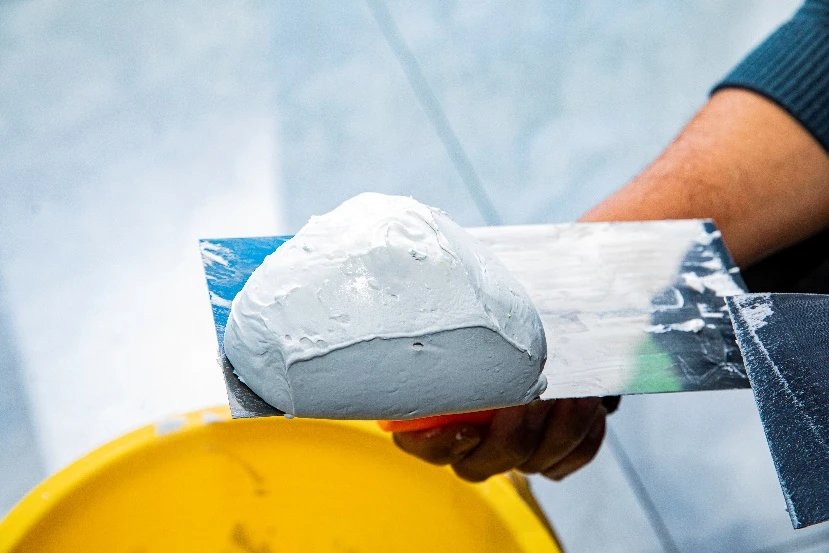
Gypsum, a vital component in the construction industry, is transformed through various additives to enhance its performance and adaptability. Among these additives, Hydroxypropyl Methylcellulose (HPMC) stands out as a crucial modifier. Its integration into gypsum-based products has propelled advancements in construction technology, addressing specific challenges faced by builders and manufacturers. In-depth evaluations conducted over the years demonstrate HPMC's proficiency in enhancing the workability and stability of gypsum mixtures. Its primary function as a rheology modifier stabilizes the gypsum slurry , ensuring it maintains an optimal consistency during application. Builders have reported significant improvements in sag resistance, which ensures a better finish, particularly with the overhead or vertical applications of gypsum plaster. The role of HPMC in gypsum formulations extends beyond mere physical stability; it significantly influences the setting time of the mixture. This flexibility allows construction professionals to adjust the working time of gypsum products according to project requirements, weather conditions, and labor availability. This adaptability also contributes to minimizing waste, as precise working times reduce the likelihood of premature setting and material wastage. HPMC's impact on water retention within gypsum mixtures is another critical advantage. By retaining water during the hydration process, it facilitates the complete setting of gypsum, subsequently enhancing the strength and durability of the final product. Moreover, this water-retentive characteristic of HPMC is especially beneficial in hot, dry environments, where rapid moisture loss can undermine the integrity of gypsum applications. hpmc for gypsum Research underlined in various scientific publications confirms HPMC's capacity to influence the mechanical properties of gypsum-based materials. Enhanced adhesive strength and flexibility can be attributed directly to its incorporation, making it an indispensable additive for high-performance gypsum products. This modification enables materials to withstand mechanical stresses better and ensures longer-lasting installations in diverse building environments. Expert analysis within the industry highlights HPMC's compatibility with other additives, allowing for customized gypsum formulations depending on specific project needs. This versatility supports innovation, enabling the creation of tailored solutions that address the distinctive requirements of modern construction projects, ranging from residential to industrial applications. Professional construction bodies and institutes advocate for the incorporation of HPMC in gypsum products, recognizing the additive’s efficacy in improving product performance and output quality. The construction industry, therefore, relies heavily on HPMC for sustainable and efficient building solutions, with its credibility supported by scientific research and widespread industry approval. Ultimately, the trustworthiness of HPMC in gypsum applications is validated by practical case studies and the endorsement of industry experts. Builders and manufacturers consistently report enhanced efficiency and cost-effectiveness in gypsum applications, attributable to the superior properties imparted by Hydroxypropyl Methylcellulose. As construction demands evolve, the continuous refinement and application of HPMC in gypsum products will undoubtedly play a pivotal role in shaping the future of building technologies.
-

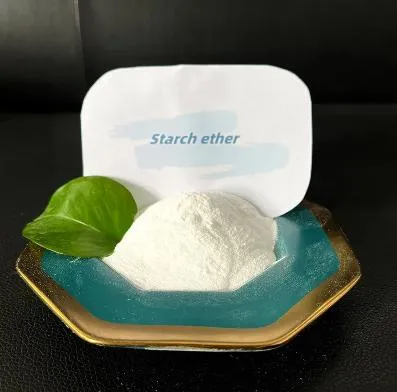
Starch derivatives are gaining significant traction in various industries due to their versatile applications and sustainable nature. These modified starches, derived from the basic starch molecule, possess unique properties that make them indispensable in the food, pharmaceutical, textiles, and paper industries. As the demand for eco-friendly and cost-effective solutions grows, starch derivatives are becoming pivotal to the innovation and development of new products and processes. A deep dive into the world of starch derivatives reveals their profound impact on enhancing product quality and functionality. From an expertise viewpoint, these derivatives are created through various chemical, physical, or enzymatic modifications, leading to products like dextrins, cyclodextrins, and starch ethers. Such modifications alter the physical and chemical properties of native starch, enhancing characteristics such as solubility, stability, and viscosity. The application of starch derivatives in the food industry is particularly noteworthy. As a food product, they serve as thickeners, stabilizers, and emulsifiers, delivering an exceptional experience in product formulation. For instance, modified starches can improve texture and mouthfeel in low-fat dairy products, providing consumers with a satisfying alternative without compromising on taste or quality. Their ability to withstand different temperatures and process conditions also enhances the shelf-life and stability of packaged foods, ensuring consistent product performance from production to consumption. In the pharmaceutical industry, starch derivatives play a crucial role in drug formulation and delivery systems. Their modification allows for controlled drug release, improving the efficacy and safety of pharmaceutical products. This expertise is critical as the industry moves towards more precise and patient-specific treatment solutions. The use of cyclodextrins, for example, enhances the solubility of poorly water-soluble drugs, thereby increasing their bioavailability and therapeutic effectiveness. Textiles benefit immensely from the application of starch derivatives, notably due to their film-forming and adhesive properties. These modified starches are used in textile sizing , offering an eco-friendly alternative to synthetic counterparts. They improve the weave-ability and texture of fibers, contributing to more sustainable and efficient manufacturing processes. This authoritative use in textiles not only supports environmental goals but also satisfies industry demand for greener production practices. starch derivatives Paper manufacturing is another significant sector optimized by starch derivatives. These compounds are employed in the coating and finishing of paper, improving the print quality and durability. Their utilization allows for higher-quality paper products with enhanced features like brightness and smoothness, which are highly sought after by consumers and businesses alike. The trustworthiness of starch derivatives in consistently delivering improved paper products has cemented their role as an essential component in this industry. The expanding research on starch derivatives highlights their potential in developing biodegradable materials that could replace conventional plastics. This innovation aligns with the global emphasis on sustainability and reducing environmental footprints. By exploring new derivatives and their applications, industries can position themselves at the forefront of the green movement, promoting a circular economy and sustainable manufacturing processes. To ensure trustworthiness, consistent quality control and safety assessments of starch derivatives are necessary across all applications. Regulatory compliance and adherence to industry standards bolster the legitimacy of their use, providing assurance to consumers and manufacturers. Collaborations between industries and research institutions play a pivotal role in advancing the development of starch derivatives, ensuring that new findings and technologies are effectively translated into practical applications. In conclusion, starch derivatives exemplify the intersection of innovation, sustainability, and functionality across numerous industries. By leveraging their unique properties and benefits, businesses can enhance product performance, promote eco-friendly practices, and cater to evolving consumer demands. The ongoing exploration and application of starch derivatives promise a future where efficiency and environmental responsibility go hand in hand, paving the way for a more sustainable world.
advantages
-

200000 Viscosities
Excellent product
We can produce pure products up to 200,000 viscosities
-

40000 tons
High yield
We don’t stop production all year round, and the annual output can reach 40,000 tons
-

24 hours
Quality service
We provide 24-hours online reception service, welcome to consult at any time
———— Inquiry Form
Schedule A services


-
 basalt_fiber_in_concrete
Oct . 25, 2025
In today’s competitive construction industry, the demand for high-performance additives has surged, -
 headcel_hpmc
Oct . 25, 2025
Navigating the world of methylcellulose, a versatile compound with applications in numerous industri -
 methocel_suppliers
Oct . 25, 2025
The Significance of Cellulose and HPMC in Modern Applications Cellulose, the most abundant organic p


